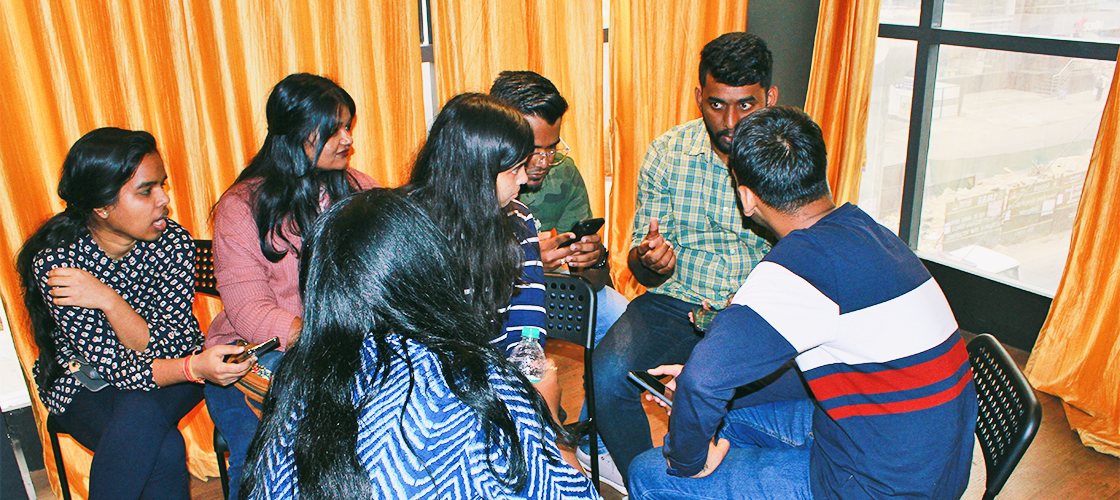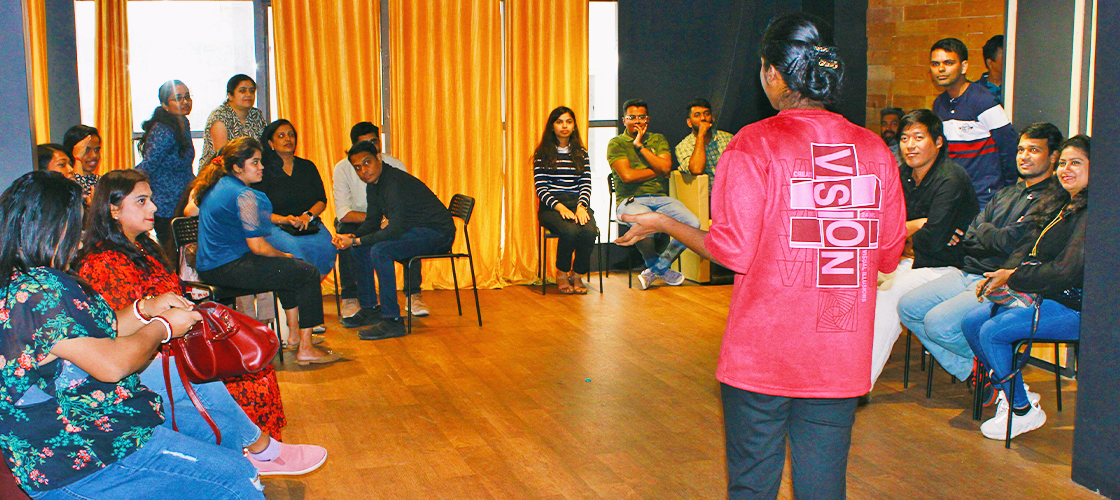
The M.A.G.I.C. framework is rooted in principles that aim to foster deep, lasting growth.
Here’s a more in-depth look at the five key elements that make it unique and transformative for leadership and teams.
1. Mindset Transformation
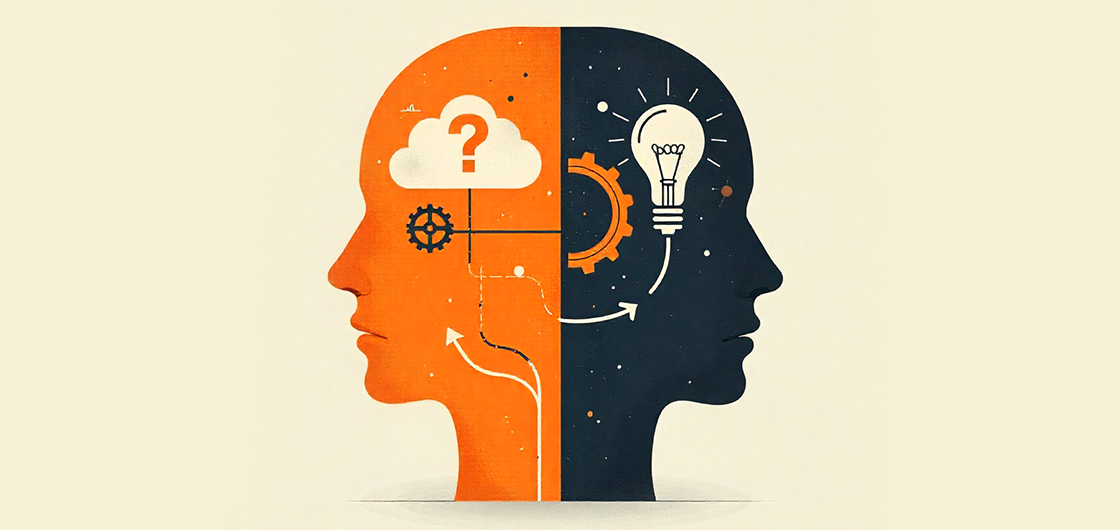
In any growth journey, mindset is the bedrock.
But the challenge isn’t just about learning new things—it’s about unlearning old, ingrained beliefs that limit potential.
Changing how we think allows for new opportunities and innovations, unlocking possibilities that weren’t previously visible.
Mindset transformation is a multi-faceted process. It involves not only adjusting how we see problems but also how we approach solutions.
It pushes participants to question assumptions and confront deeply held views.
When you unlearn, you make room for new, more expansive thoughts that can drive innovation.
This shift in perspective is a foundational change and requires a deep understanding and focused implementation post the interventions.
That’s why it’s at the core of the M.A.G.I.C. framework.
2. Active Gamification

Gamification in the context of the M.A.G.I.C. framework is far beyond the conventional use of games.
It’s about creating real-life, high-stakes scenarios that immerse participants in experiences where success isn’t guaranteed.
By engaging in these scenarios, participants must push their limits, think critically, and collaborate to achieve desired results.
The key is the unknown—the outcome isn’t predetermined, and the journey is as important as the destination.
This immersive learning technique simulates real-world challenges, where the stakes feel high.
But, the rewards are tailored to be achievable and meaningful.
It’s a delicate balance—too small a reward feels unworthy of the effort, too big and the challenge might feel impossible.
When the balance is right, it taps into intrinsic motivation and drives sustained behavior change.
This method encourages participants to adapt, overcome obstacles, and thrive under pressure—skills that are directly transferable to any business environment.
3. Guided Reverse Learning

One of the cornerstones of the M.A.G.I.C. framework is reverse learning.
Instead of being passive recipients of information, participants actively shape their learning journey.
Through guided experiences, they are encouraged to reflect, analyze, and decide for themselves how to move forward.
This approach is rooted in the belief that self-discovery is more powerful than being told what to do.
As participants go through real-world challenges, they engage in active brainstorming.
They analyze what went right or wrong, and draw their own conclusions. This process makes them more accountable for their growth and decisions.
Reverse learning doesn’t just build knowledge; it builds confidence, independence, and critical thinking.
By becoming their own trainers, participants are empowered to continually learn and grow—on their own terms.
4. Impact Sessions

Traditional learning often focuses on covering a vast array of topics, some of which may not even be relevant to the immediate needs of the participants.
But when it comes to growth and transformation, focus is key.
The M.A.G.I.C. framework embraces a lean learning approach, honing in on the most important and impactful areas.
These are the issues that directly affect business performance and individual growth.
We don’t waste time on unnecessary content; instead, we prioritize solutions that bring about meaningful change.
Think of it as a precision strike—we address specific challenges with focused, intense learning sessions that drive measurable outcomes.
This concentrated learning ensures that participants leave with not only the knowledge but also the tools they need to make a real difference in their organizations.
Impact sessions are purpose-driven, and every piece of content is designed to solve an existing problem.
This ensures that businesses see tangible growth and success as a result of these focused interventions.
5. Creative Frameworks

The process of relearning is as important as learning itself.
Relearning—especially when unlearning old methods and adopting new ones—requires structure and support.
In the M.A.G.I.C. framework, we build creative frameworks that help participants take complex ideas and turn them into practical, actionable steps.
These frameworks don’t just live in theory; they are applied in real-world scenarios to make the learning stick.
What sets our creative frameworks apart is that they are co-created with the participants.
This collaborative effort ensures that the frameworks aren’t just theoretical but are designed to address the specific challenges of each individual or team.
By brainstorming, discussing, and refining frameworks together, participants gain a sense of ownership and relevance.
This ensures that these frameworks become part of their mindset and daily practices.
One example of a creative framework is the Dynamo Framework.
This framework tackles the common problem of collaboration by breaking down the concept of “force.”
Instead of focusing on individual efforts, the Dynamo Framework emphasizes collective strength—turning every team member into part of a unified force that drives impact.
The framework teaches participants how to work together more effectively, create synergy, and harness their collective potential to achieve extraordinary outcomes.
This is just one of many frameworks that come from the collaborative nature of the M.A.G.I.C. framework.